Who Pays for the Work of Building a Business Community? A business community needs someone who can afford to keep showing up. We talk about introductions, collaboration, and supporting one another, but all of that depends on work that continues after the meeting ends. If we want business networks to help people grow consistently, we have to be just as serious about how the organization doing that work sustains itself.
That question sits close to what I’m building through The Embetter Company. I believe a business should connect to a business network early. There are people who can help you understand your market, introduce you to another owner, or point you toward something you would have spent months figuring out alone. Having those relationships while you’re getting started can matter a great deal.
My interest is in giving the organizations already building those relationships a platform that supports their work. That includes chambers, event hosts, and community leaders who know the businesses around them. Errbody Communities comes from that perspective: a community business platform connected to a wider network, with room for an organization’s own relationships to remain meaningful.
The Practical Tension of Community Work
The practical tension is that every promise to a member creates work for somebody. A directory needs current information. An introduction needs enough context to be useful. A workshop needs preparation, promotion, and follow-up. Even a simple request to feature a business means getting the right details and making sure somebody actually sees them.
An organizer might be willing to do those things because they care about the community. But caring doesn’t settle the question of how many hours they can keep giving. A network can appear inexpensive because its founder is absorbing the cost personally. That makes the price look manageable while leaving the organization dependent on time that may not always be available.
A network can appear inexpensive because its founder is absorbing the cost personally.
It also creates a challenge for me as a platform builder. I can make parts of the work easier, but the organization still needs a reason for businesses to participate and a way to deliver on that reason. Before adding another capability, there is a more useful question to answer: what can this organization reliably do for its members, and what will it take to keep doing it?
Lessons from the Fort Worth Chamber
A September 8 article from the Association of Chamber of Commerce Executives offers a practical example. The Fort Worth Chamber responded to demand for education by creating a Marketing Summer Camp and drawing on expertise within its membership. ACCE reported that the event sold out at 150 attendees and generated $16,764 in revenue, with about $2,000 in direct event expenses.
Turning Member Expertise Into Member Value
Those figures are encouraging, but they aren’t a complete profit calculation. Direct event expenses don’t tell us the full cost of staff time and organizational support. What interests me is the relationship between the member need, the knowledge already present in the network, and an activity people were willing to pay to attend.
That gives a smaller network something useful to consider. Suppose an event organizer already works with vendors who need better product photography. A photographer in that same network might be able to teach a focused session. The organizer could test whether enough vendors want it, agree on compensation and responsibilities, and price the session around its actual costs. That is a hypothetical example, but it starts with people and needs an organizer may already understand.
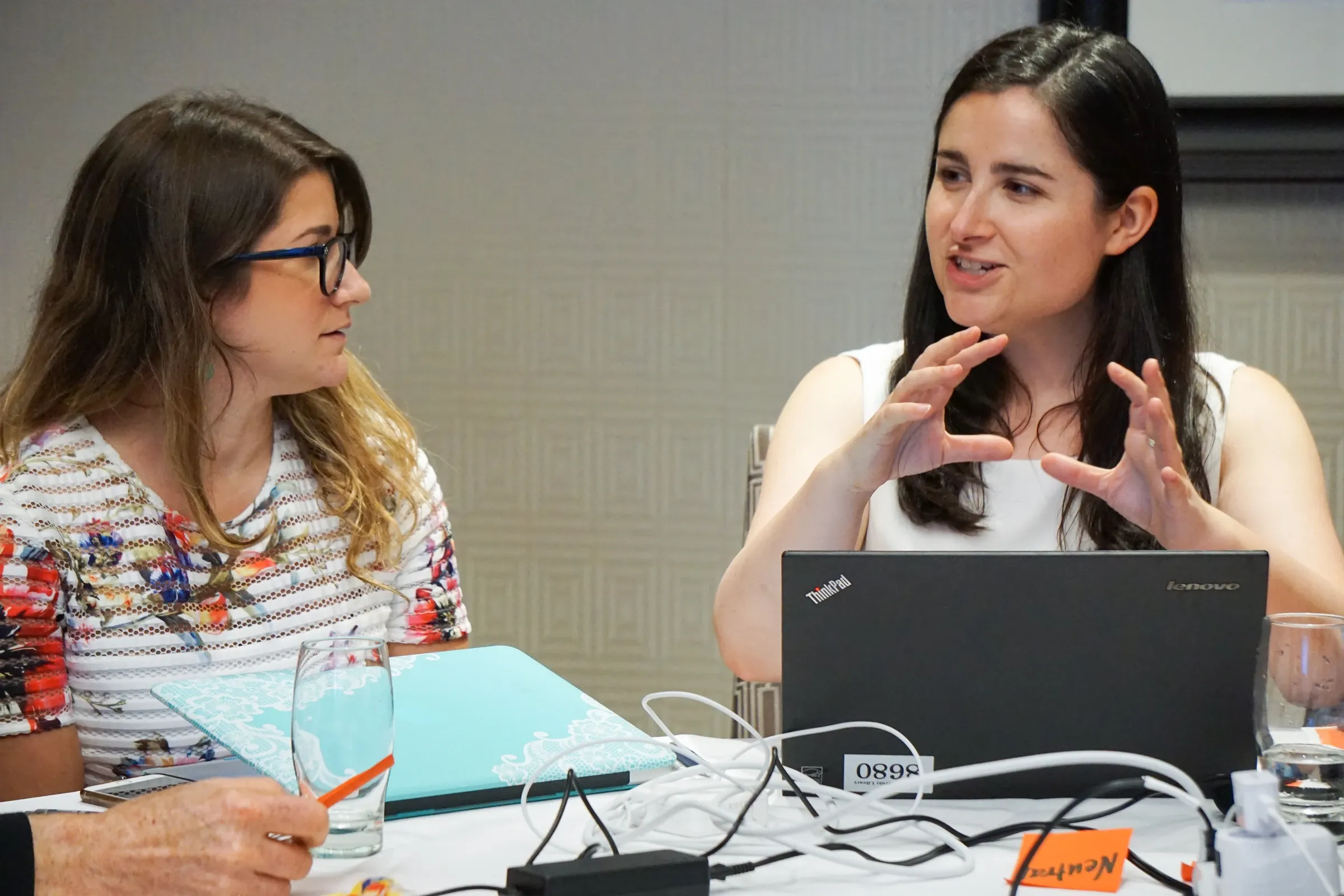
Wiki Education pre-Wikimania workshop 3.jpg — Jami (Wiki Ed) · Own work. Resized and converted to WebP. — Wikimedia Commons · CC BY-SA 4.0
The offer would have to be clear. Participants should know what they will leave with, the photographer should understand what they are being asked to provide, and the organizer should know whether the activity supports the organization after the work is counted. A full room would be useful evidence of interest. Repeat participation, useful introductions, and members applying what they learned would tell us more about whether the program deserves to continue.
Accounting for Staff Effort and Capacity
ACCE’s March 23 conference recap makes a related point about revenue programs: account for staff effort and evaluate activities against the organization’s capacity. That is a helpful constraint for anyone building a network. More activity can create more obligations before it creates more stability. secure.acce.org
More activity can create more obligations before it creates more stability.
A sustainable model might combine membership dues with a small number of paid programs or sponsorships. The right mix depends on what the organization can deliver and what its members value. For a newer business with limited cash, a sponsor-supported place could preserve access while still paying for the service. Each arrangement needs to make sense for the people receiving the benefit and the people providing it.
Tending the Relationships
Being rooted together so we can grow together has to include the organization tending those relationships. I want the platforms I build to help that organization spend its time well, explain its value clearly, and support work it can keep doing. When a business joins a community, there should be someone with the time and resources to help it become part of that community.