Telling people to shop local leaves them with a decision we have not necessarily helped them make. They might agree with the message and still end up at the same familiar places because they do not know what else is nearby, what those businesses offer, or how to fit a visit into their day. A useful local campaign should make that next decision easier. The opportunity is to connect a person's willingness to support the community with somewhere they actually want to go.
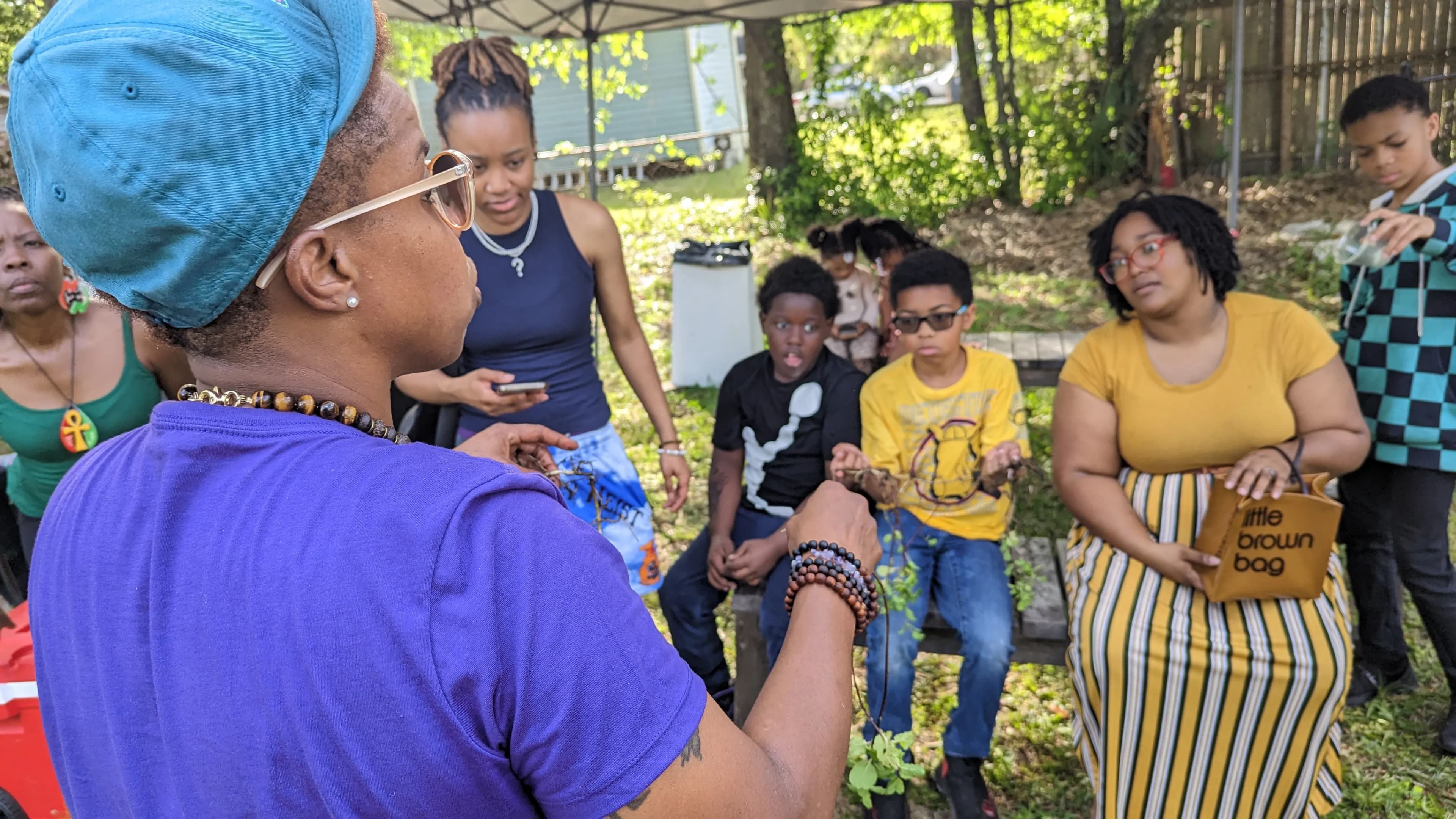
That is part of what I am working toward with Errbody.co. Jacksonville is our base, and being Black-first, local always means being intentional about the businesses people get a chance to discover. It is not Black-only. It is a starting point for making more of the local economy visible and accessible, including businesses someone might appreciate but has never encountered.
I also believe businesses should connect to a business network early. Another owner can introduce you to customers, help you understand the area, or show you an opportunity you would not have recognized on your own. There is a customer-facing version of that relationship worth exploring: businesses helping people discover one another, with an organizer making the whole experience understandable.
The difficulty is that a collection of businesses does not automatically become a useful outing. A customer has to work out where to start, what is open, how far apart the stops are, and whether the experience fits their interests. A campaign can bring attention to a neighborhood while still leaving most of that work to the person we are asking to visit.
As a platform builder, that is a practical tension. More listings can make a directory more complete, but completeness alone does not tell someone what to do on Saturday. The information needs to support a decision. At the same time, any suggested outing has to respect what the businesses can actually deliver. A good description is not much help if the hours are wrong or the owner never agreed to participate.
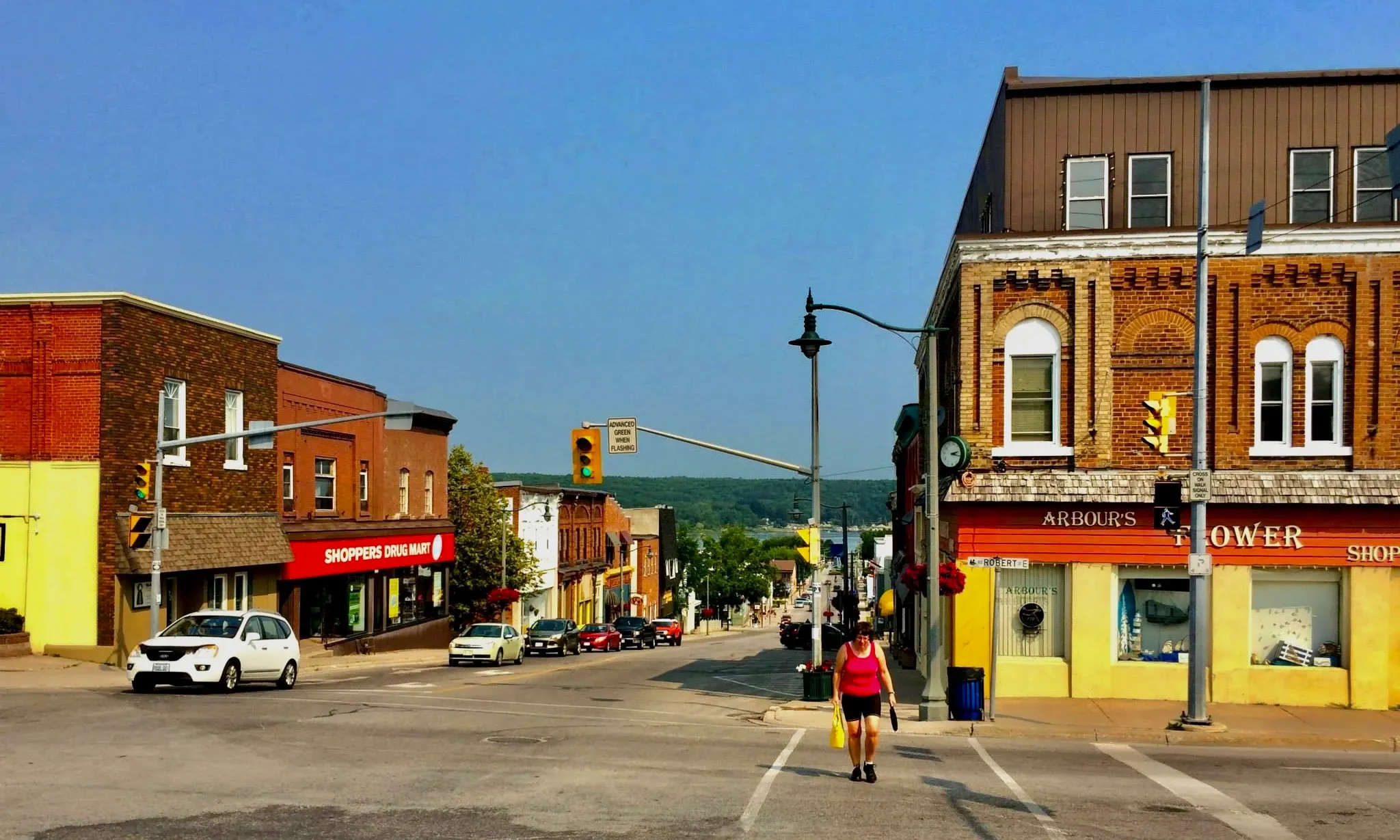
A campaign in Penetanguishene, Ontario, offers a concrete example to consider. Its “From Dock to Downtown” initiative runs during Canada's Small Business Week, October 19–25. The town's campaign page invites people to collect a passport, visit at least five participating businesses, and enter for a prize. Heritage displays and QR codes connect the stops to stories about the downtown. An October 17 local report described the campaign's mix of business discovery, storefront art, and local history.
What interests me is the way those pieces give the visit a shape. Someone has a place to start, a reason to continue, and something to notice along the way. The history provides another reason to explore beyond buying something at the first stop. That is a design choice worth examining, not evidence yet that the campaign has increased sales.
For Jacksonville, I would be interested in what a smaller version could teach us. Suppose an existing organizer worked with a few businesses on an afternoon that connected a meal, a shop, and a nearby activity. The businesses would need to make sense together, and the route would need to be realistic for the people invited. The purpose would be to make it easier to enjoy several parts of the community in one visit, rather than simply collecting names under a theme.
An event host could approach the same question through vendors. If a visitor enjoys a product at a market, how do they find that business again? What else does the owner offer, and where can someone buy it after the event? That is where events and directory information can support each other. The initial discovery should give the customer a practical way to continue the relationship.
There is real work underneath that experience. Someone has to recruit businesses, check information, prepare the materials, explain participation, and handle changes. If there is a prize, someone has to fund and administer it. Owners need to know what they are being asked to do and whether they can manage the extra activity. Those responsibilities belong in the budget before the campaign becomes a promise.
A chamber or community organization could test the approach without building an elaborate new program. A small group and a limited period would make the coordination easier to understand. Sponsorship might cover some costs, or participating businesses might support a clearly defined service. Either arrangement should explain what the organizer delivers and how promotional placement is assigned. The organization should not have to hide its costs, and a customer should not have to guess why a business was included.
I would also separate participation from results. A completed passport could show that someone visited several businesses. It would not, by itself, establish that the owners earned more or gained returning customers. Brief feedback from businesses and visitors could help explain what happened, what was inconvenient, and whether the experience deserves another run.
The lasting value may be in what remains usable afterward: accurate business information, a customer who knows where to return, and owners who have a better reason to collaborate. That connects directly to the kind of community platform I want to build through The Embetter Company. Supporting local businesses should include helping people understand how those businesses fit into their lives. When the next step is clear and worthwhile, the invitation to shop local becomes much easier to act on.
Featured image: 20150705 - 25 - Penetanguishene, Ont. - Main Street at Robert Street - "Down"town.jpg — Andre Carrotflower · Own work. Resized and converted to WebP. — Wikimedia Commons · CC BY-SA 4.0